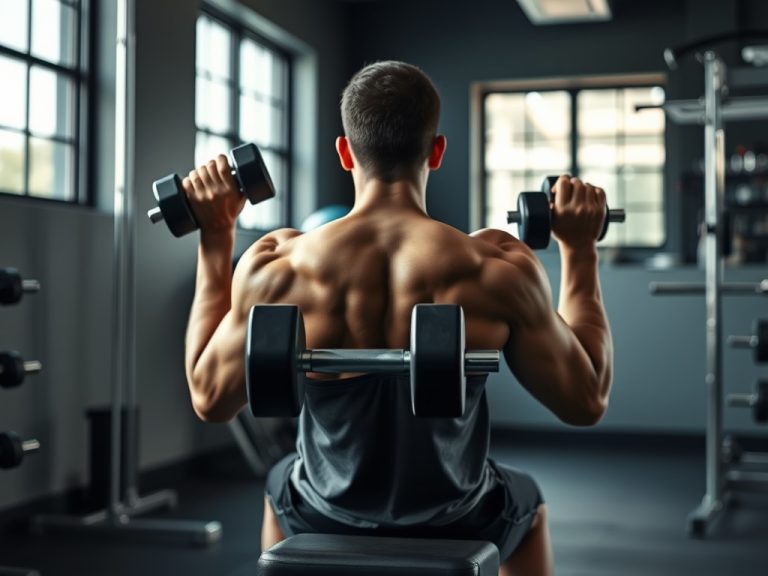
Home Gym Basics: The Minimum Equipment You Need to Get Started
Quick Take: A useful home gym does not require a rack full of machines. Start with enough equipment to train the major movement patterns safely, choose items that fit your space and current ability, and add load only when your workouts have outgrown the basics.
The minimum effective home gym is a small, repeatable setup rather than a miniature commercial facility. For most beginners, a clear floor area, one versatile resistance option, and a stable way to perform supported movements are enough to begin strength, mobility, and conditioning work.
What a Starter Home Gym Must Let You Do
Think in movement categories before thinking in products. A balanced starter setup should support a squat or sit-to-stand, a hip hinge, a push, a pull, a loaded carry or bracing drill, and simple cardiovascular activity. The current Physical Activity Guidelines for Americans recommend a mix of aerobic activity and muscle-strengthening work, but they do not require a specific brand of equipment or a dedicated room.
This framework keeps purchasing decisions practical. If one item lets you train several patterns, store it easily, and adjust difficulty over time, it has more value than a specialized tool used for one exercise. Beginners who want a simple pulling menu can later pair the setup with these pull exercises for posture and back strength without changing the whole room.
The True Minimum: Floor Space, Resistance, and Support
| Priority | Starter Choice | Why It Earns Space |
|---|---|---|
| Essential | Exercise mat or clear non-slip floor | Supports floor exercises, mobility work, kneeling positions, and a defined training area. |
| Essential | Resistance bands or one adjustable dumbbell pair | Provides scalable resistance for rows, presses, squats, hinges, and accessory work. |
| Highly useful | Stable chair, bench, or step | Allows supported squats, split-stance work, elevated push-ups, and seated variations. |
| Optional at first | Jump rope, step platform, or cardio machine | Adds conditioning variety but is not required if walking, stairs, or outdoor activity are available. |
Bands are usually the least expensive and easiest to store. Adjustable dumbbells feel more familiar for many lifts and make progression easier to measure, but they require a larger budget and more care around the floor. A stable chair is equipment only when it does not slide, wobble, or collapse under the intended use.
A Door Anchor Is Useful, Not Automatically Safe
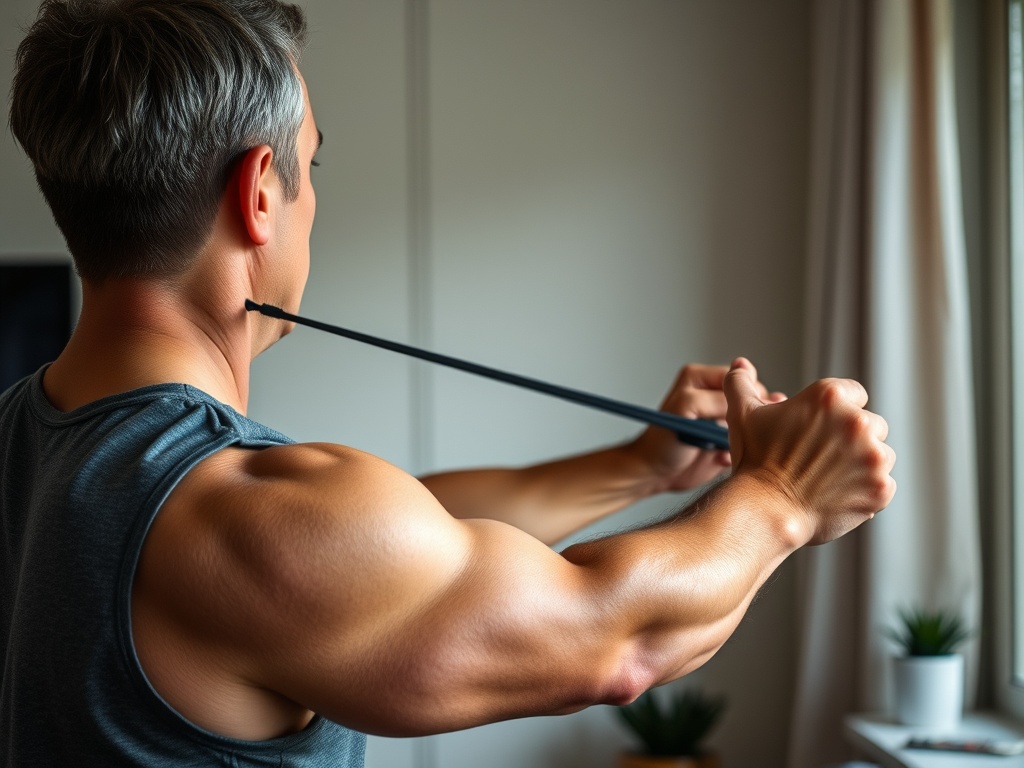
A band door anchor can expand exercise selection, especially for rows and pulldown-style movements. It should be placed according to the manufacturer’s instructions on a solid door that closes securely away from the pulling direction. Inspect the band and anchor before each session. If the setup feels uncertain, use free-standing band exercises instead of improvising a risky attachment.
Common Purchases You Can Delay
A barbell, squat rack, cable station, treadmill, and collection of kettlebells can all be useful, but none is a universal starting requirement. Large equipment makes sense when you have consistent training habits, sufficient space, a clear progression plan, and the budget for safe flooring and storage. Buying early can create clutter without improving adherence.
The same applies to recovery gadgets. Before purchasing massage devices or connected accessories, establish the basics of workload, sleep, food, and rest. The article on what to eat after exercise explains why routine meals may matter more to recovery than adding another device to a shelf.
Myths That Make Home Training Seem Harder Than It Is
- Myth: You need heavy weights immediately. Reality: beginners can progress through better control, more repetitions, longer ranges of motion, slower tempo, and modest resistance increases.
- Myth: Bodyweight training is always easy. Reality: leverage, unilateral positions, pauses, and exercise selection can make bodyweight work demanding.
- Myth: A home workout must be long to count. Reality: shorter sessions can still build consistency and contribute to weekly activity.
- Myth: More equipment guarantees better results. Reality: a plan that is repeated and gradually progressed matters more than the number of tools available.
The American College of Sports Medicine’s guidance emphasizes evidence-based exercise recommendations rather than a single ideal product list. That is useful context when marketing language suggests one machine is necessary for health, posture, fat loss, or total-body fitness.
How to Choose Resistance That Can Grow With You
Select a starting resistance that permits controlled repetitions without forcing the joints into uncomfortable positions. You should be able to stop a set before technique breaks down. Progress one variable at a time: add a little resistance, perform another repetition, increase range of motion, or add a set. Changing everything at once makes it difficult to know what caused excessive soreness or discomfort.
For bands, a small set with clearly different tension levels is more flexible than one very heavy band. For dumbbells, make sure the handles, locking mechanism, and increments suit your hands and expected exercises. The heaviest possible option is not automatically the best purchase if it is awkward to adjust or discourages regular use.
Set Up the Room to Reduce Friction
Keep the training area easy to access. Store bands where they will not be exposed to sharp edges or heat, place weights where they cannot roll into a walkway, and leave enough clearance for overhead and lateral movement. A mirror is optional; a phone placed at a safe distance can help you review technique without staring at the screen during every repetition.
The behavioral side matters too. Put two or three short sessions on the calendar and make the first version intentionally manageable. If you tend to delay until conditions feel perfect, the approach in how to stop waiting for the perfect Monday can help turn the room from an idea into a regular cue for action.
Test the Setup With a Two-Week Trial
Before buying anything else, use the starter setup for two weeks. Record which movements are easy to arrange, where the room feels cramped, and which exercises cannot be progressed with the available resistance. This short trial separates a genuine equipment gap from the normal learning curve of a new routine.
Also note setup time. If each workout requires moving furniture, searching for attachments, or rebuilding a complicated station, simplify the plan. Convenience is a training variable because friction affects how often the room is used. A small basket for bands, a marked floor area, and a written session can be more useful than another machine.
Build a Starter Setup You Will Actually Use
Begin with the space and equipment you can use safely this week: a clear floor, a stable support, and resistance that covers several movements. Follow a simple full-body plan, record what becomes too easy, and purchase the next item only when it solves a specific limitation. A home gym should expand because your training earned the upgrade, not because an advertisement created urgency.