How to Choose a Beginner Surfboard Without Making Learning Harder
A beginner surfboard should make paddling, balance, and wave-catching easier, not prove that the rider bought the most advanced shape. For most learners, that means choosing more stability and volume before chasing speed or maneuverability.
Surfboard Choice Brief
- Focus on stability before adding complexity.
- Use volume and length as practical checkpoints.
- Keep forgiving rails visible so the advice stays useful in real practice or live viewing.
Why Board Fit Matters Early
The decision is partly about equipment and partly about safety. New surfers need boards that help them catch smaller waves, stand up with less wobble, and recover from mistakes without fighting the board. Organizations like the Surfrider Foundation focus on protecting ocean access and beach environments, which is a reminder that learning to surf also means respecting conditions, crowds, and local etiquette.
Volume is the easiest concept to miss. A board with more volume floats better and paddles more easily. Length helps, but length alone is not enough; width, thickness, rocker, rails, and construction all affect stability. A long soft-top can be forgiving, while a narrow high-performance board can make learning unnecessarily frustrating.
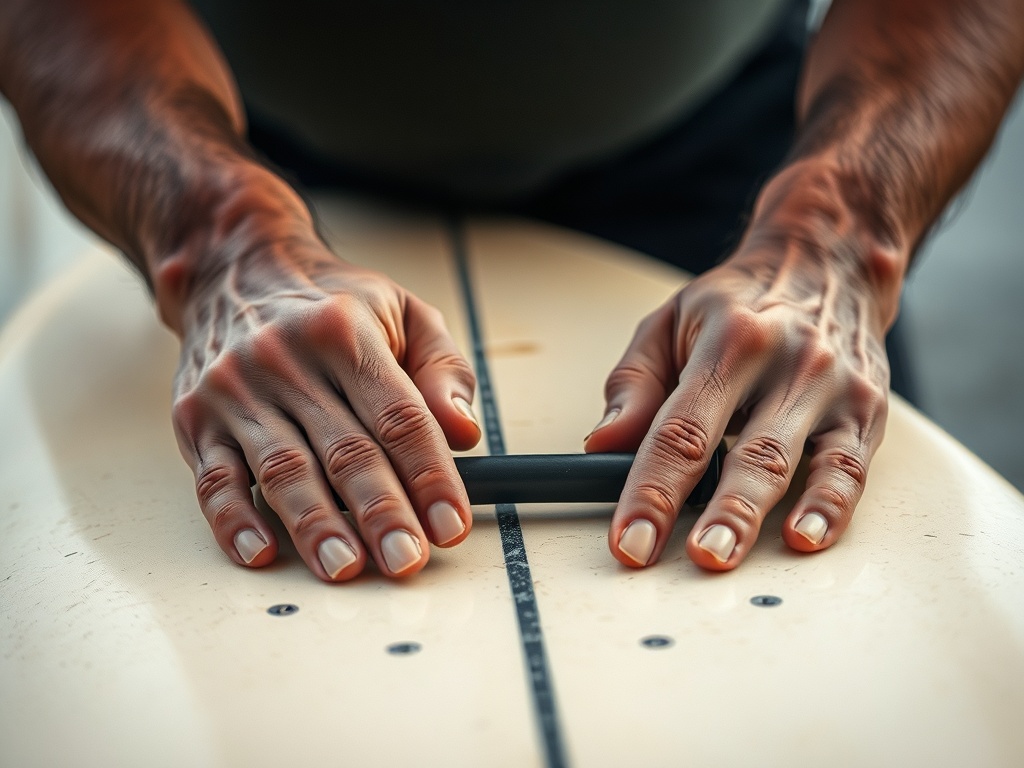
Beginner Board Trade-Offs
| Decision area | Better beginner choice | Watch-out |
|---|---|---|
| Stability | Start simple and observable | Do not chase advanced details too early |
| Volume | Match the setting and skill level | Avoid copying elite routines blindly |
| Length | Build in recovery and feedback | More is not always better |
| Forgiving Rails | Progress only after consistency | Skipping steps can create frustration |
Soft-top longboards are common first choices because they are buoyant, stable, and more forgiving during falls. Mid-length boards can work for lighter or more athletic beginners, but they usually require better timing. Shortboards are rarely a good first board because they demand fast paddling, precise positioning, and quicker pop-ups.
Budget should follow learning goals. Renting or buying used can be smart for the first stage because your needs will change. Spend enough to get a safe, watertight, suitable board, but do not pay premium prices for performance features you cannot yet use.
Fit also depends on where you surf. Small, slow beach breaks reward foam and glide. Steeper waves require control and good judgment, and many beginners should take lessons rather than guessing. Ask a local instructor or shop about wave type, crowd rules, and board size rather than relying only on generic online charts.
The biggest mistake is buying a board for the surfer you hope to become six months from now. Learning gets harder when the board sinks, wobbles, or refuses to catch waves. Progress comes from catching many safe waves, not from carrying the sleekest board to the beach.
This buying choice also connects to broader learning psychology. How Home Advantage Works in Sports and Why It Matters explains how familiar settings reduce friction; a forgiving beginner board does the same for surfing. Golf Swing Basics for Beginners Who Feel Overwhelmed by Technique Advice makes a similar point about simplifying early technique.
Beginner Surfboard Mistakes
- Treating intensity as proof of quality instead of checking whether it fits the goal.
- Copying advice from a different sport, age group, or skill level without adapting it.
- Ignoring discomfort, confusion, or poor communication because the routine looks serious.
- Waiting until problems become obvious instead of making small adjustments early.
Maintenance is part of the decision. Check for cracks, water damage, fin security, leash condition, and wax or deck grip. Rinse saltwater, store the board out of harsh sun, and repair dings before they spread. A cheap board that leaks quickly may cost more than a solid used board.
Your First Board Decision
Choose the board that gives you more attempts, more balance, and more safe repetition. Once you can paddle confidently, position yourself well, pop up consistently, and trim down the line, upgrading will make more sense.
Matching the Board to the First Three Months
Think in stages rather than forever purchases. In the first month, the board should help you paddle, catch whitewater or small green waves, and stand up with less panic. In the second month, it should let you angle slightly and control speed. By the third month, you may begin noticing whether you want more turning ability or more glide. Buying for that whole pathway usually points toward a generous soft-top or longboard, not a narrow shortboard.
Body size matters, but confidence matters too. A taller or heavier learner usually needs more foam. A cautious learner may also benefit from extra stability even if they are light. A very athletic beginner can still struggle if the board is too small because surfing adds timing, ocean reading, and paddling endurance at once. Fitness from another sport helps, but it does not replace wave judgment.
Leash, fins, wax, and board condition deserve attention before the first session. A damaged fin box, slick deck, or old leash can turn a good board choice into a frustrating day. Beginners should also learn how to carry the board safely in wind and how to keep the nose away from other surfers in the water.
Renting before buying can be the smartest test. Try a larger soft-top, note how easily it paddles, and ask an instructor what size they would choose for local waves. The cost of one lesson or rental day may prevent a much more expensive purchase mistake.
A beginner board is successful when it disappears into the learning process. You should be thinking about waves, timing, and safe positioning, not constantly fighting the equipment underneath you.
What Not to Let the Shop Talk You Into
A beginner should be cautious when a board is sold mainly on looks, speed, or advanced maneuverability. Those features may matter later, but early learning rewards float, forgiveness, and easy wave entry. A beautiful board that catches few waves is not a good learning tool.
Also be careful with vague claims such as 'you will grow into it.' Growth is useful only if the board still supports the current stage. If the first ten sessions become frustrating, many learners quit before the upgrade ever becomes useful.
The better question is: will this board help me catch more safe waves this month? That question keeps the purchase tied to learning rather than ego.