Eco-Friendly Lawn Alternatives That Look Great
Replacing every square foot of turf is not the only way to create a more environmentally considerate yard. The strongest lawn alternatives are matched to how the space is actually used, then combine regionally appropriate plants, permeable surfaces, and strategic areas of turf where turf still has a job to do.
The Lawn-Swap Snapshot
- Keep lawn where it supports play, pets, circulation, or another clear function.
- Replace low-use turf with native planting beds, flowering low-mow mixes, groundcovers, meadow-style areas, or permeable hardscape.
- Match plant choices to local climate, soil, sun, drainage, and expected foot traffic.
- Expect a transition period. Most alternatives are not "install once and ignore forever."
- Check local HOA rules, weed ordinances, wildfire guidance, and water restrictions before making a large conversion.
Start With Function Instead of Fashion
A lawn can be useful. It creates a resilient walking surface, visual breathing room, and a place for children or pets to move. The problem is not that turf exists; it is that many landscapes use turf in narrow strips, steep slopes, deep shade, hot curb zones, and other locations where it performs poorly or requires disproportionate irrigation and maintenance.
The EPA WaterSense landscaping guidance recommends thinking about how you use the yard, local climate, sun and shade, soil, and maintenance needs before choosing plants. A beautiful alternative in one climate can fail badly in another.
Walk the property and mark four types of space: active-use areas, view-only areas, difficult turf areas, and routes for people or equipment. That simple map makes it easier to replace lawn selectively instead of making one dramatic change that is hard to maintain.
Six Attractive Alternatives to Conventional Turf
1. Native Planting Beds
Layered beds of locally appropriate grasses, flowering perennials, small shrubs, and groundcovers can provide seasonal color and habitat while reducing the amount of mown turf. "Native" is regional, not universal. A plant suited to the Southwest may be a poor choice in the Northeast, so use state extension or local native-plant resources when selecting species.
This option works especially well along property edges, around trees, beside patios, and on slopes where mowing is awkward. It does require intentional design. Repeat a few plant forms or colors, define bed edges, and keep taller species away from sight lines that need to remain open.
2. Bee Lawns and Flowering Low-Mow Mixes
A bee lawn blends low-growing flowers with turfgrass rather than removing grass entirely. The University of Minnesota Extension bee-lawn guide describes mixes that can provide pollinator forage while still functioning as a recreational surface.
This is useful, but plant choices should fit regional climate and local weed rules.
3. Regionally Suitable Groundcovers
Groundcovers can create a continuous green or flowering carpet in spaces that do not need to handle regular running, ball games, or heavy foot traffic. They are especially useful beneath open-canopy trees, along paths, and in small front-yard areas where mowing equipment feels oversized.
Choose groundcovers with caution. Some fast-spreading species sold for landscape use can be invasive in particular regions. Use local extension or conservation lists before planting a vigorous spreader.
4. Meadow-Inspired Plantings
A small meadow or prairie-style section can replace a large expanse of low-use turf with grasses and flowering plants. The finished look is more relaxed, but it should still read as intentional. A mown border, defined path, fence line, or crisp bed edge can visually separate the planting from an unmanaged vacant patch.
Meadow establishment can take multiple seasons, and weed control during establishment matters. This is a longer-term landscape project, not an instant lawn substitute.
5. Permeable Paths and Sitting Areas
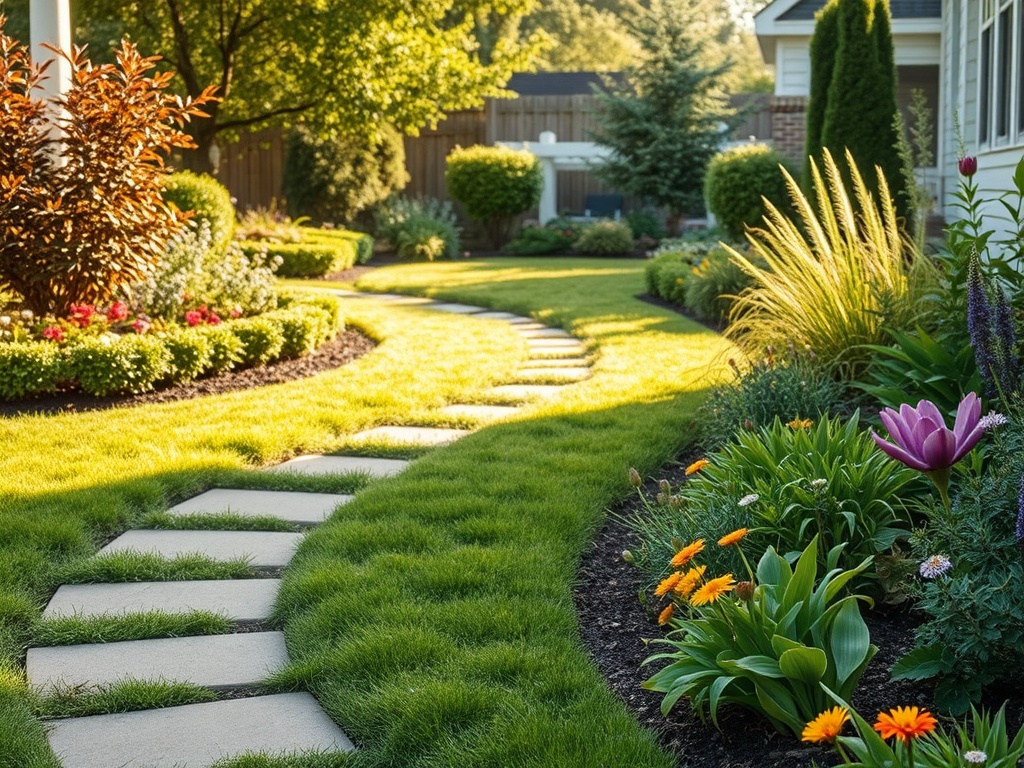
Where people mainly walk or gather, plants may not be the best surface at all. Gravel, decomposed stone, spaced pavers, or other permeable systems can create useful routes and seating zones while allowing water to move into the soil when designed correctly.
Hardscape is not automatically "green"; drainage, accessibility, heat, and stormwater behavior still matter.
6. Edible and Productive Beds
Herbs, vegetables, berries, and compact fruiting plants can replace sunny turf in households that genuinely want to garden. Productive beds require more active care than low-input groundcovers, but raised beds can give the space useful structure.
A Simple Comparison Before You Remove Turf
| Alternative | Best fit | Foot traffic | Establishment effort | Ongoing character |
|---|---|---|---|---|
| Native planting beds | Borders, slopes, habitat areas | Low | Moderate | Seasonal and layered |
| Bee lawn | Open lawn-like areas | Moderate | Moderate | Soft and informal |
| Groundcovers | Shade, edges, small spaces | Low | Low to moderate | Continuous carpet |
| Meadow planting | Larger low-use zones | Low | Higher at first | Naturalistic |
| Permeable hardscape | Paths and seating | High | Moderate to high | Structured |
| Edible beds | Sunny productive areas | Low | Moderate | Active and changeable |
Convert in Stages Rather Than All at Once
A staged conversion shows what works on your property. Start with the worst-performing section of turf, such as a shady strip or dry slope. Remove or suppress the existing grass using a method appropriate to your site, then prepare soil based on what the new planting needs. Avoid adding amendments automatically; a soil test can help prevent unnecessary fertilizer or pH adjustments.
For planted areas, group species with similar water needs. EPA describes this approach as hydrozoning. Newly installed drought-tolerant or native plants still need establishment watering, so a "low water" landscape is not instantly self-sufficient.
Use defined edges and paths to make the new area look intentional. Mulch can help reduce weeds and evaporation in planting beds, but depth and material should fit the plants and local climate. In fire-prone regions, combustible mulch near structures may be restricted or discouraged, so local wildfire guidance takes priority.
Keep the Yard Cohesive
The easiest way to make lawn alternatives look polished is repetition. Repeat the same edging material, a small palette of plants, or a consistent path surface. Avoid turning the yard into a sampler of unrelated eco-features.
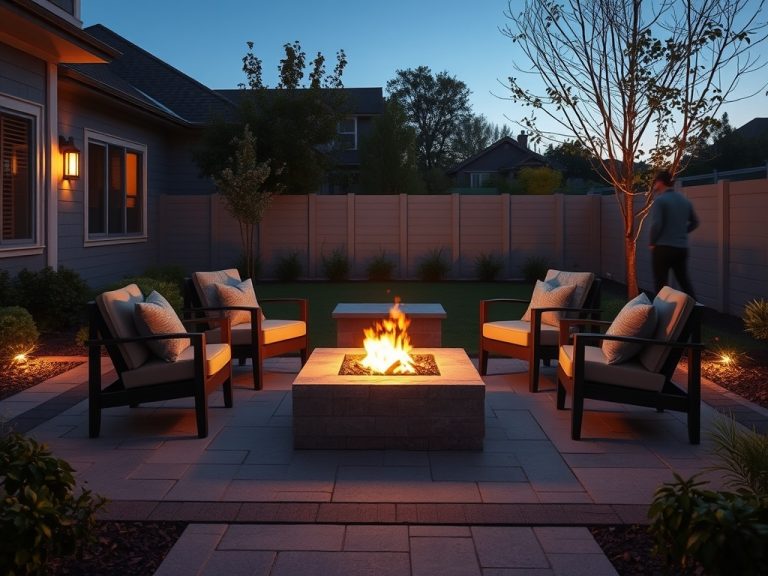
Containers can help bridge areas during the transition. If you use planters as accents, compare outdoor pot materials before buying several heavy or porous containers that may not suit the site. Likewise, if a new lawn-free zone sits beside an entertaining area, a defined fire pit seating zone can give the landscape a clear destination instead of leaving a large blank patch.
Plant health also supports appearance. Crowded or stressed plantings are more vulnerable to problems such as powdery mildew, so sustainable design still needs realistic spacing, airflow, and maintenance access.
Maintenance Changes, It Does Not Disappear
A lawn alternative may reduce mowing, fertilizer, or irrigation, but it introduces different work. Native beds need weeding while they establish. Meadows may need seasonal cutting. Gravel paths need edge control. Groundcovers need monitoring so they do not enter planting beds or neighboring property.
Write a maintenance plan before installation. Decide who will weed, prune, replenish mulch, manage irrigation, or cut a meadow. A design that fits the household's willingness to maintain it is more sustainable than one chosen only for appearance.
Make the First Change the Smartest One
Instead of asking, "What should replace my lawn?" ask, "Which part of my lawn is doing the least useful work?" Convert that section first. A small native bed, a flowering bee-lawn patch, or a permeable path can improve function and aesthetics without forcing the entire yard into one style.
Home and garden information is educational only. Plant suitability, water rules, invasive-species restrictions, HOA requirements, wildfire recommendations, and landscape regulations vary by region; use local extension, municipal, and qualified landscape guidance for site-specific decisions.
A sensible next step is to map the yard by use, sun, drainage, and foot traffic, then test one lawn alternative in a manageable area before committing to a full conversion.