The Best Pot Materials for Outdoor Plants Compared
The best outdoor pot material depends less on appearance than on how the container manages water, heat, weight, winter exposure, and the size of the plant. Terracotta, glazed ceramic, plastic, fiberglass, wood, metal, and concrete can all work well when the pot has adequate drainage and the material fits the site.
Quick Pot-Picking Guide
- Choose terracotta when faster drying is helpful and you can water more often.
- Choose plastic or resin when low weight and slower moisture loss matter.
- Choose glazed ceramic for a heavier decorative pot with less evaporation through the wall than unglazed clay.
- Choose fiberglass for a lightweight architectural look, but judge quality by construction and UV resistance.
- Choose wood when you want a softer landscape look and can manage moisture and aging.
- Use metal carefully in hot sun because the container surface can heat quickly.
- Use concrete or stone where stability and weight are advantages and the pot can stay in place.
Drainage Comes Before Material
Before comparing finishes, check the bottom of the pot. The University of New Hampshire Extension emphasizes drainage as a basic requirement for container gardening. A beautiful pot without a reliable way for excess water to leave is a decorative cachepot unless the plant remains in a draining nursery pot inside it.
Container size also matters. Match container size to the mature root system, plant type, and expected weather rather than buying only by color or shape.
Material-by-Material Comparison
Terracotta and Unglazed Clay
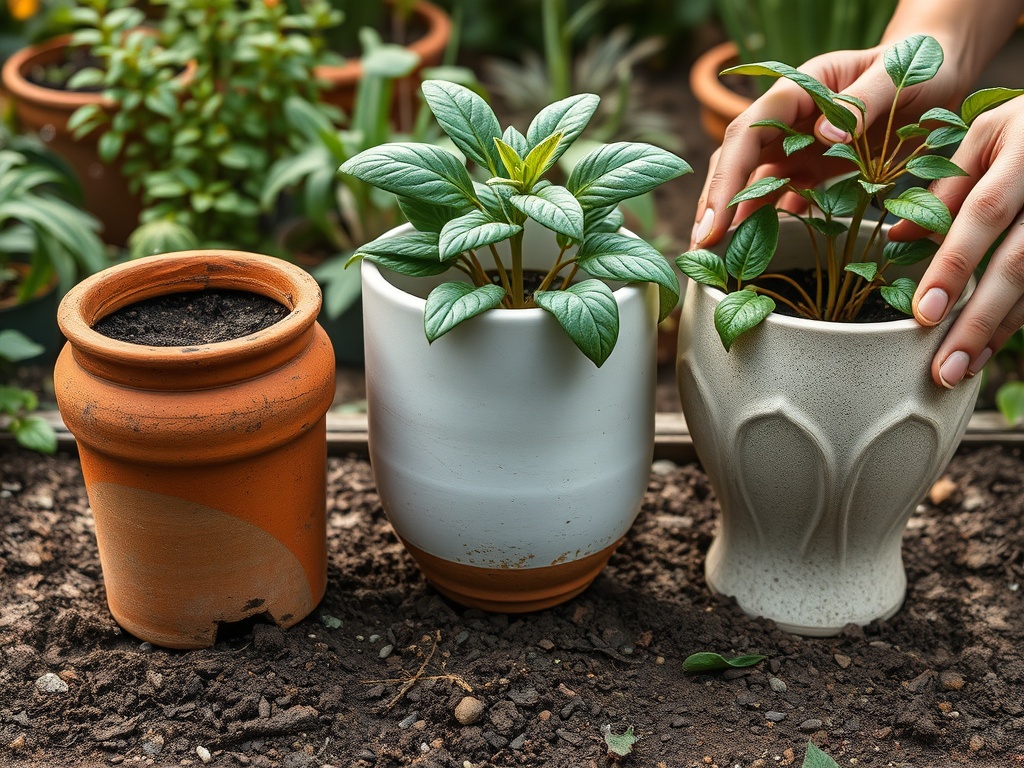
Unglazed clay is porous, so moisture can move through the pot wall and evaporate. Penn State Extension notes that plants in clay containers generally need watering more often than plants in plastic containers.
That can be useful for plants that dislike sitting wet, but it can be demanding in hot, windy weather. Terracotta is also brittle compared with flexible plastic and may crack if water freezes in the material or potting mix. In freezing climates, confirm that the pot is rated for outdoor winter exposure or store it dry and protected.
Glazed Ceramic
Glazing reduces the porosity of clay and opens a much wider range of colors and finishes. These pots are usually heavier than plastic, which can help stabilize top-heavy plants, but they can be difficult to move once filled.
Check drainage carefully. Some decorative ceramics have only a tiny hole, while others are sold without one. A large plant should not be forced into a sealed vessel simply because the finish fits the patio.
Plastic and Resin
Plastic is lightweight, widely available, and slower to lose moisture through the pot wall. That can reduce watering frequency compared with unglazed clay, but it also means overwatering may be less forgiving.
Quality varies, and in exposed sites low weight can become a drawback, so wide bases or added ballast may be useful for tall plantings.
Fiberglass and Composite Planters
Fiberglass and composite planters can imitate concrete, stone, or metal without the same weight. They are useful on balconies, decks, and rooftops where moving or load matters.
Durability depends on construction quality, finish, and exposure. Look for products intended for exterior use and follow the manufacturer's freeze, drainage, and cleaning instructions. A light pot still needs enough stability for wind and the mature plant canopy.
Wood Containers
Wood has a warm, natural appearance that fits vegetable gardens, cottage landscapes, and large patio planters. It can also provide better insulation from rapid temperature swings than thin metal.
Constant moisture and weather can shorten the life of untreated wood. For edible plants, verify that coatings, liners, or preservatives are appropriate for food-growing use.
Metal Planters
Metal creates a crisp contemporary look and can be very durable, but direct sun can make the container surface hot. Root-zone temperature depends on pot size, color, insulation, soil moisture, air movement, and material thickness, so there is no universal "metal is bad" rule.
Use a generous soil volume, reliable drainage, and a location appropriate for the plant. In very sunny settings, an inner nursery pot or insulated liner can create a buffer, provided drainage is maintained.
Concrete, Cast Stone, and Natural Stone
These materials are valued for mass and stability. They work well for large shrubs, small trees, and permanent entry or patio plantings where tipping is a concern. Their weight is also the main disadvantage.
Plan placement before filling, and confirm elevated surfaces can support the combined wet weight. Structural load questions belong with a qualified professional.
Side-by-Side Decision Table
| Material | Moisture behavior | Weight | Main strength | Main caution |
|---|---|---|---|---|
| Terracotta | Dries faster | Medium | Breathable, classic look | Frequent watering, freeze damage |
| Glazed ceramic | Slower than unglazed clay | Medium to heavy | Decorative and stable | Breakage, drainage variability |
| Plastic/resin | Retains moisture longer | Light | Easy to move | Wind stability, quality varies |
| Fiberglass/composite | Usually low porosity | Light | Large sizes with less weight | Finish and UV quality vary |
| Wood | Moderate | Medium | Natural look, large formats | Rot and coating suitability |
| Metal | Low porosity | Light to medium | Modern, durable | Heat in strong sun |
| Concrete/stone | Low to moderate | Very heavy | Stable and permanent | Difficult to move, load concerns |
Match the Pot to the Plant and Exposure
A sun-loving Mediterranean herb in a rainy climate may benefit from a different container than a moisture-loving annual in a hot, windy courtyard. Think through four questions: how fast the plant uses water, how much sun hits the pot, whether the pot must be moved, and whether freezing weather is part of the year.
Plants that prefer evenly moist media may be easier to manage in plastic, resin, glazed ceramic, or a large composite planter. Plants that tolerate a stronger wet-dry cycle may work well in terracotta. Large woody plants often benefit from heavier, wider containers simply because the canopy can catch wind.
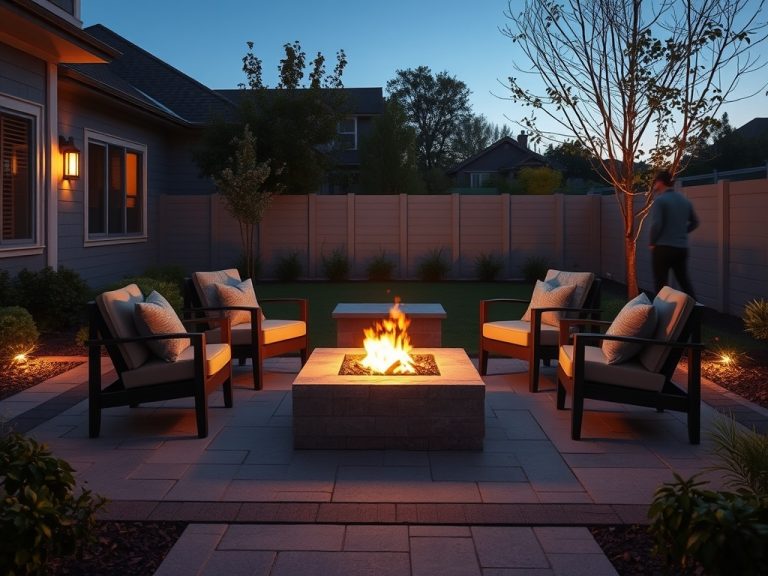
If the container will sit near an outdoor gathering space, coordinate the material with the hardscape and furniture rather than adding unrelated finishes. A cohesive planter palette can also connect a patio to a nearby fire pit seating zone.
Maintenance Differences That Matter Later
Clean drainage holes periodically, especially after roots, mineral deposits, or potting mix shift. Elevating some containers slightly can improve drainage and reduce staining, but use stable pot feet designed for the weight.
Salt and mineral deposits show more visibly on terracotta. Glazed finishes can chip. Wood may need refinishing. Metal can scratch or corrode depending on the alloy and coating. Plastic and fiberglass may fade. None of these outcomes means the material is inherently poor; they are maintenance trade-offs.
Plant health should still guide the setup. If dense, shaded container groupings stay humid, foliar problems such as powdery mildew can become more noticeable. Leave enough room for access, airflow, and watering rather than packing every pot edge-to-edge.
For gardeners redesigning a low-water landscape, container choices should also fit the broader irrigation plan. A row of small porous pots can demand more frequent attention than a bed of eco-friendly lawn alternatives selected for the same climate.
Choose for the Life of the Planting
A pot is part of the plant's growing environment, not just a decorative shell. Drainage, volume, exposure, weight, and water use should decide the material before color and finish do. When two materials would perform equally well, aesthetics can break the tie.
Home and garden information is educational only. Container safety, structural loads, freeze resistance, coating suitability, and plant requirements vary; follow manufacturer instructions and consult local horticulture or building professionals when a site has unusual exposure or load concerns.
A practical next step is to list the plant's mature size, sun exposure, watering pattern, and whether the pot must move seasonally, then choose the lightest or heaviest material that safely fits those needs.