Caulking and Weatherstripping: Where Small Fixes Save Money
Caulking and weatherstripping reduce unwanted air leakage around a home, which can improve comfort and reduce the heating or cooling energy lost through gaps. The key distinction is simple: caulk is generally used at stationary cracks and joints, while weatherstripping seals parts that move, such as doors and operable windows.
Draft-Fix Essentials
- Find the leak before choosing a sealant.
- Use caulk on stationary joints and weatherstripping on moving assemblies.
- Clean and dry the surface so the material can bond properly.
- Do not seal openings that are intended for drainage, combustion air, or ventilation.
- Recheck repairs seasonally because flexible seals wear, shrink, compress, and age.
Why Tiny Gaps Matter
Air moves through cracks around windows, door frames, baseboards, utility penetrations, attic access points, and other breaks in the building envelope. That movement can create drafts and force heating or cooling equipment to work against outdoor conditions.
The U.S. Department of Energy describes air sealing as a way to reduce unwanted air leakage and identifies caulking and weatherstripping as two straightforward methods. Caulk is generally suited to fixed building components; weatherstripping is designed for joints that open, close, or slide.
That difference prevents a common DIY error: caulking a moving window shut or putting soft weatherstrip into a stationary exterior joint that really needs a durable sealant.
Start With a Simple Draft Audit
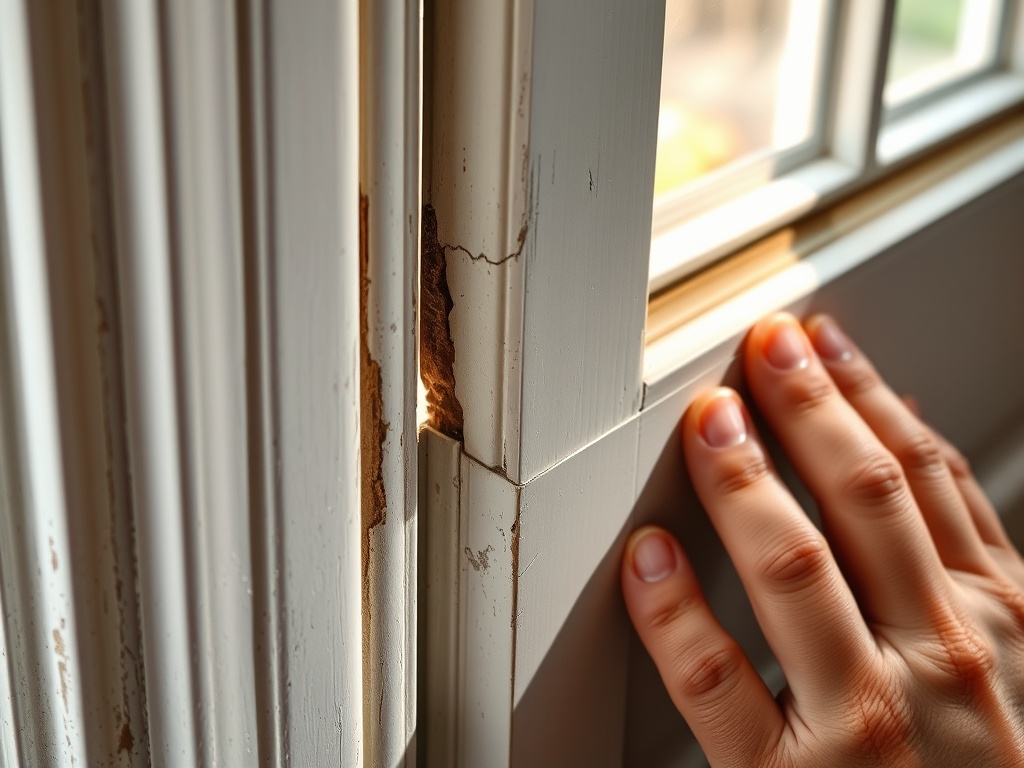
Choose a windy day and walk slowly around exterior doors and windows. Look for visible daylight, damaged caulk, loose trim, compressed door seals, and movement at meeting rails. Indoors, feel for drafts with the back of your hand, but keep open flames away from curtains, paper, and combustible finishes.
A more complete assessment can involve a blower-door test by an energy professional. The Department of Energy's building-science guidance on air-sealed homes explains that blower-door testing can measure overall air tightness and help identify leakage pathways.
Do not assume every crack should be sealed. Window weep holes, roof and wall drainage paths, appliance combustion-air openings, and designed ventilation must stay functional. If you are unsure what an opening does, identify it before filling it.
Where Caulk Usually Belongs
Caulk is useful at narrow, stationary joints where two materials meet and the gap is within the sealant's rated capability. Common examples include trim-to-siding joints, small gaps around exterior window or door frames, and penetrations where pipes or cables pass through finished surfaces.
Select the product for the location. Exterior joints need a sealant rated for outdoor movement, temperature, UV, and the specific materials. Interior paintable acrylic products are easier to finish but may not suit wet exterior exposure. Bathrooms and kitchens may require mildew-resistant, water-resistant products designed for those conditions.
For a clean bead, remove failed material, brush or vacuum loose debris, and make sure the joint is dry. Use backer rod where a joint is too deep for a simple bead and where the sealant manufacturer recommends it. Tool the bead so it contacts both sides of the joint without leaving thin, feathered edges that peel easily.
Where Weatherstripping Works Better
Weatherstripping belongs at doors, operable window sashes, attic hatches, and other moving joints. The right profile compresses enough to block air without making the door or window difficult to close.
Foam tape is inexpensive and useful for some low-friction applications. Rubber or silicone bulb seals can handle repeated compression. V-strip or tension seals fit certain door and window edges. Door sweeps seal the bottom gap but must not drag so heavily that the door becomes difficult to use.
Measure the gap in several places because old frames are rarely perfectly square. A seal that is too thin leaves leaks; one that is too thick can prevent latching. Test the door or sash after each section rather than installing the whole roll before checking operation.
A Room-by-Room Priority Order
Start where the draft is both obvious and easy to reach. Exterior doors are a common first target because worn perimeter weatherstripping is visible and replaceable. Next, inspect operable windows, then fixed trim joints, plumbing penetrations, and attic-access panels.
If a home has large hidden leaks in an attic, crawlspace, or rim joist, small cosmetic caulk repairs may improve comfort but will not solve the whole problem. That is where a professional energy assessment can help prioritize work.
Use seasonal maintenance as the reminder, including checking flexible seals before heating and cooling seasons. If a repair requires removing fixtures or opening walls, consider what a careful faucet-replacement project teaches about preparation, shutoff access, and knowing when a job has moved beyond simple DIY maintenance.
Mistakes That Reduce the Benefit
Applying fresh caulk over dusty, loose, or wet old material is one of the fastest ways to create a short-lived repair. Another is using interior sealant outside because the color matches. Read the product label for substrate, joint width, cure conditions, paintability, and temperature limits.
Do not over-seal a combustion appliance area without understanding ventilation and make-up air. Tighter homes can change pressure relationships around furnaces, water heaters, fireplaces, and exhaust fans. If combustion safety is a concern, involve a qualified HVAC or building-performance professional.
Also avoid treating caulk as a repair for water intrusion that originates above the joint. If flashing, roofing, siding, or window installation is directing bulk water into the wall, surface caulk can hide symptoms while moisture continues behind the finish.
When a Small Repair Becomes a Larger Project
Call a professional when gaps are unusually large, framing has moved, windows or doors no longer operate correctly, water damage is visible, or repeated caulk failure suggests movement beyond what the sealant can handle. Structural movement, rot, mold, and concealed moisture require diagnosis rather than another bead of sealant.
If the home is also due for heating-equipment replacement, air sealing can affect system sizing and comfort. Understanding heat pumps versus furnaces is more useful after the building envelope is reasonably understood, because equipment should be selected for the home's actual heating and cooling needs.
Keep the Repair Working
Check door seals for compression, tears, and gaps. Inspect exterior caulk for cracking, pulling away, or missing sections. Clean painted joints gently instead of scraping them during routine maintenance. Replace failed sections rather than smearing new sealant over loose material.
The value of caulking and weatherstripping is not that they are glamorous upgrades. It is that they address clear leakage points with relatively simple materials when the problem is correctly identified.
Home improvement information is educational only. Air sealing can affect moisture movement, ventilation, combustion safety, and code compliance; follow product instructions and local requirements, and use qualified professionals for uncertain conditions or building-system interactions.
A practical next step is to inspect one exterior door and one operable window, identify whether each leak is at a moving or stationary joint, and buy the seal designed for that exact condition rather than a generic "weatherproofing" product.