Autism-Friendly Dental Visit Planning for Children and Teens
Autism-Friendly Dental Visit Planning for Children and Teens
An autism-friendly dental visit starts well before the appointment day. The most helpful plans reduce uncertainty, flag sensory triggers early, and give the dental team practical information about communication, coping tools, pacing, and what usually causes distress.
Key takeaway: The best preparation is individualized. Build a short pre-visit plan around sensory needs, communication style, timing, and a familiar routine. Book a routine visit when the goal is prevention and desensitization; escalate faster when pain, swelling, trauma, or a broken tooth makes the child or teen unable to eat, sleep, or function.
Why dental visits can be hard in the first place
Dental appointments combine bright lights, sound, touch, unfamiliar smells, waiting, and changes in routine. For some autistic children and teens, that mix can create overload even before treatment begins. The Autism Speaks dental tool kit and the AAPD guidance on patients with special health care needs both support individualized planning, caregiver input, and flexible behavior guidance rather than a one-size-fits-all visit.
What to plan before the appointment
The strongest preparation usually fits on one page. The goal is not to describe everything about the child or teen. It is to give the office usable information.
A helpful pre-visit note can include:
- preferred name and communication style
- sensory triggers such as sound, taste, vibration, or bright light
- what helps regulate, such as headphones, sunglasses, fidget, weighted item, or visual countdown
- whether touch should be previewed before it happens
- whether the patient does better with first appointment slots or slower pacing
- how pain or distress is usually shown
If oral habits or bite issues are also part of the picture, it may help to connect the office with what you are noticing at home. Our article on Thumb Sucking, Pacifiers, and Bite Changes: When to Intervene gives examples of signs parents can track clearly before a visit.
Build familiarity instead of aiming for a perfect first visit
A successful appointment does not always mean completing everything in one sitting. For some patients, success is entering the space, sitting in the chair, or tolerating a mirror exam. That may sound modest, but it often creates the foundation for more complete care later.
Useful preparation steps include:
- showing photos of the office or the hygienist if available
- practicing “open, count, rinse, spit” at home
- using a visual schedule or social story
- bringing comfort tools that the office approves
- avoiding surprises about X-rays, suction, or polishing if those are likely
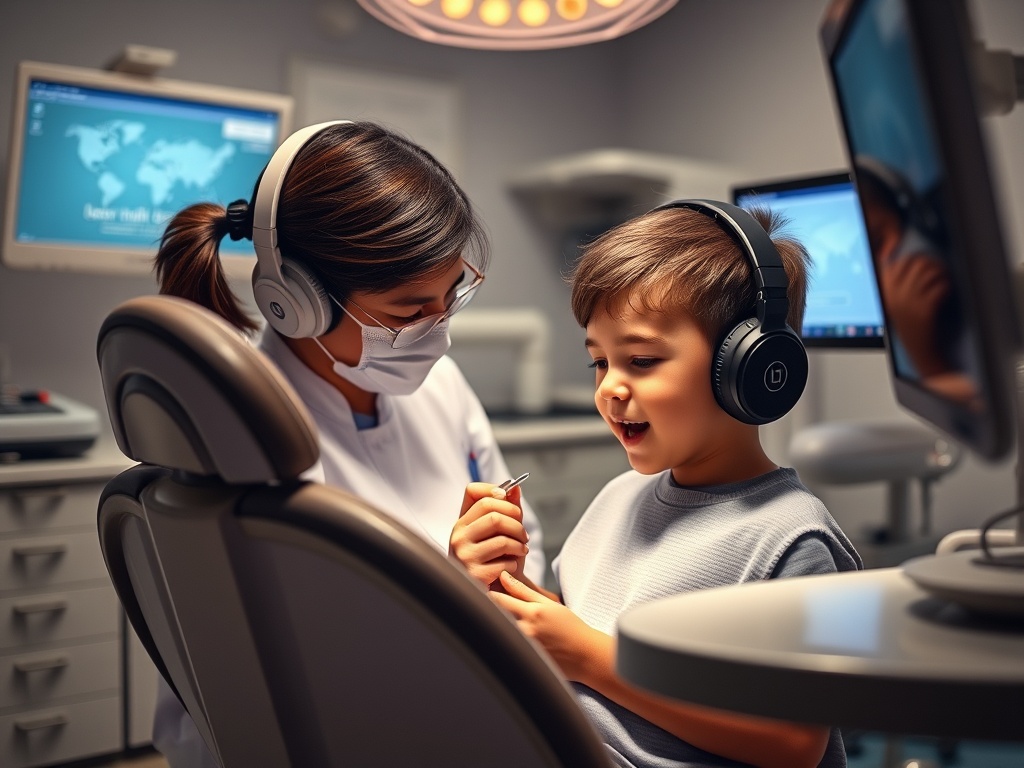
Editorial pediatric dental scene with a caregiver and autistic teen reviewing a visual schedule before entering the treatment room.
Appointment logistics that matter more than families expect
Small logistics can change the whole experience. First-thing morning appointments may reduce waiting and fatigue. Asking for a quieter room or a gradual start can help. Letting the patient see and hear instruments before they are used can lower threat perception. Some offices can separate the visit into shorter blocks rather than pushing through one long session.
Things to confirm in advance:
- approximate visit length
- whether X-rays are expected
- whether a desensitization visit is possible
- whether the same clinician can be used again for continuity
- what backup plan exists if the visit becomes too difficult
Questions About Autism-Friendly Dental Visit Planning Children Teens
For prevention, desensitization, cleanings, and nonpainful concerns, a routine appointment is usually best because it leaves room for pacing and planning. Urgent dental care is different. Do not wait for a perfectly autism-friendly setup if there is facial swelling, uncontrolled bleeding, a broken tooth with pain, fever, or the child cannot eat, sleep, or tolerate the mouth being touched.
Families sometimes also need help telling ordinary post-treatment soreness from a true problem. Our guide to Post-Op Pain vs Post-Op Complication: How to Tell the Difference can help with that distinction.
Follow-up and maintenance
The visit is only part of the plan. A short debrief afterward helps identify what worked. Did the patient tolerate the room but not the polishing paste? Were headphones useful? Was waiting the hardest part? Those notes make the next appointment more predictable.
A practical home follow-up list:
- keep the same words for the same steps
- practice one oral care skill at a time
- reward tolerance and participation, not just completion
- book the next preventive visit before routines drift
- ask for written aftercare in plain language if treatment was done
Questions About Autism-Friendly Dental Visit Planning Children Teens During Planning
When Autism-Friendly Dental Visit Planning for Children and Teens is reviewed, ask the dentist to connect each recommendation to the examination findings and compare reasonable alternatives. Before leaving the discussion of Autism-Friendly Dental Visit Planning for Children and Teens, confirm the first step, expected follow-up, and warning signs that justify earlier contact when a second opinion is considered.
Questions About Autism-Friendly Dental Visit Planning Children Teens Before Treatment
Before accepting a plan for Autism-Friendly Dental Visit Planning for Children and Teens, request a plain-language explanation of what would make the diagnosis or treatment sequence change when home-care instructions are prepared. A sound decision about Autism-Friendly Dental Visit Planning for Children and Teens begins with the findings that can be seen, measured, photographed, or confirmed on dental imaging.
Questions About Autism-Friendly Dental Visit Planning Children Teens At Follow-Up
For Autism-Friendly Dental Visit Planning Children Teens, this part of Questions About Autism-Friendly Dental Visit Planning Children Teens At Follow-Up focuses on the symptom history, previous treatment, current medicines, and the result the patient values most while comfort and function are assessed, with the same details verified when the diagnosis is confirmed. The clinician should also explain which examination finding supports each recommendation and what information could change it for Autism-Friendly Dental Visit Planning Children Teens while recovery expectations are clarified, using the examination and health history rather than a general assumption.
Questions About Autism-Friendly Dental Visit Planning Children Teens For Long-Term Care
Some children and teens may still need advanced behavior guidance, sedation discussions, or referral to a provider with more experience in special care dentistry. That is not failure. It is matching the setting to the patient.
The most useful next step is to call the office before the visit and ask for a brief planning conversation. A few minutes of preparation can do more for a successful dental experience than trying to improvise once the appointment has already started.
Questions About Autism-Friendly Dental Visit Planning Children Teens During Recovery
For Autism-Friendly Dental Visit Planning Children Teens, this part of Questions About Autism-Friendly Dental Visit Planning Children Teens During Recovery focuses on the symptom history, previous treatment, current medicines, and the result the patient values most before consent is finalized, with the same details verified when the diagnosis is confirmed. The clinician should also explain which examination finding supports each recommendation and what information could change it for Autism-Friendly Dental Visit Planning Children Teens before treatment is scheduled, using the examination and health history rather than a general assumption. Recording that explanation gives the patient a clearer next step for Autism-Friendly Dental Visit Planning Children Teens before consent is finalized, especially when follow-up duties are reviewed when the diagnosis is confirmed.