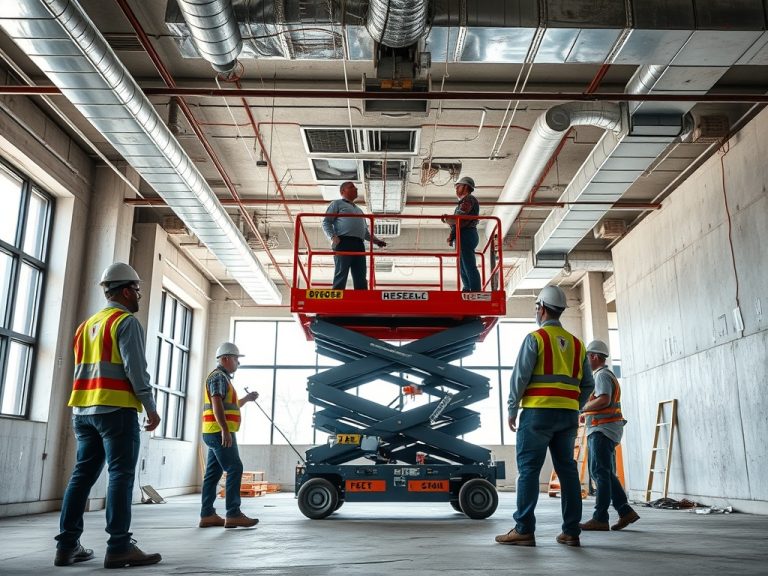
Fleet, fuel, and small-tool cost controls for growing contractors
Growing contractors control fleet, fuel, and small-tool costs by assigning ownership, tracking use, setting purchasing rules, and reviewing exceptions before small leaks become normal overhead. The aim is not to squeeze crews; it is to make everyday jobsite spending visible enough to manage.
Cost-control snapshot
A practical cost-control system answers four questions: who owns the asset, where it is being used, what rule applies, and what action happens when the rule is missed. For a growing contractor, the best starting point is usually a simple operating rhythm: asset register, fuel policy, tool checkout, maintenance triggers, and monthly exception review.
Why these costs get away from growing contractors
Fleet and tool spending often grows quietly because the work still gets done. A truck burns extra fuel, a saw goes missing, a loader sits idle between jobs, or a foreman buys duplicate bits because the shared kit was not restocked. Each event can look minor in isolation. Across several crews and jobs, the pattern can affect margins, cash flow, and schedule confidence.
Growth also changes behavior. A founder may know every driver, truck, compressor, and tool box when the business has one or two crews. Once the company adds crews, rented equipment, service vehicles, and out-of-town jobs, informal memory is not enough. At that stage, payment timing and closeout milestones matter, but so does the daily discipline that keeps job cost reports from being distorted by unmanaged field spending.
Contractors do not need an enterprise platform on day one. They need consistent fields, clear authority, and a shared definition of what counts as an exception. The U.S. EPA's SmartWay program focuses on transportation efficiency, while the Department of Energy's Alternative Fuels Data Center offers fleet information and tools that can inform longer-term fuel and vehicle decisions. Those resources do not replace a contractor-specific policy, but they support better questions during planning.
Start with a usable asset register
A useful asset register should be simple enough for supervisors to maintain and detailed enough for management to trust. At minimum, separate vehicles, powered equipment, small tools, consumables, and rented items. Each category should show an owner, job assignment, condition, purchase or rental status, and a field for notes.
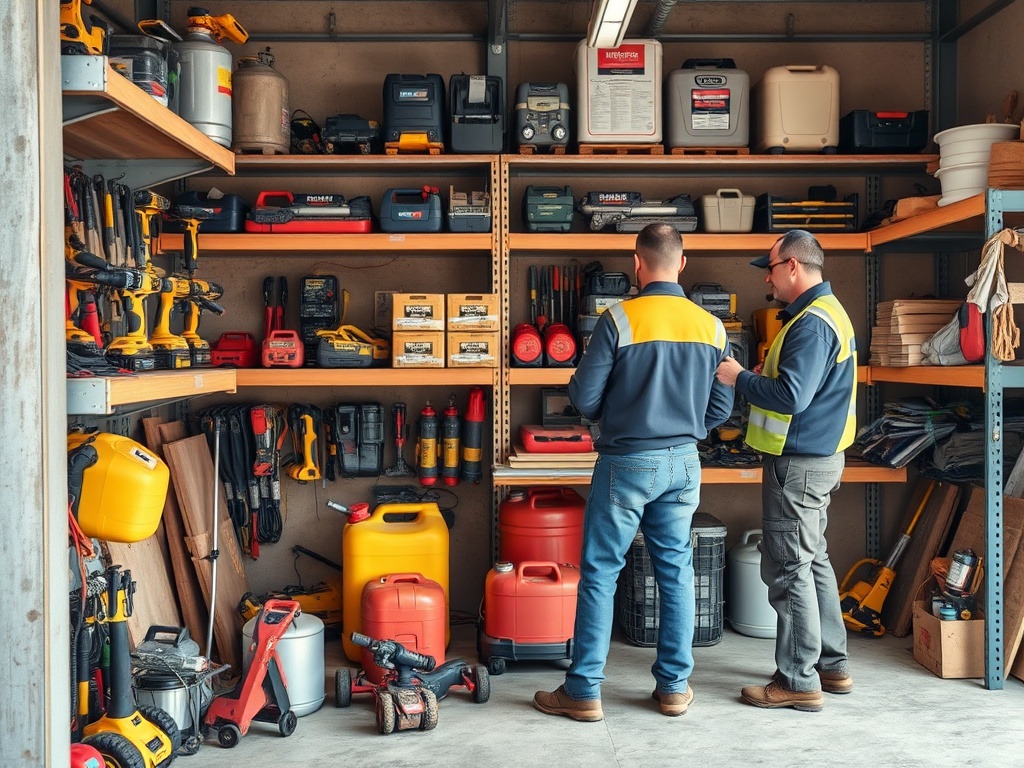
For small tools, the register should not become a museum of every low-cost item. A practical rule is to track tools that affect production, safety, quality, or replacement spend. Lasers, torque tools, testing instruments, saws, generators, compactors, cordless kits, specialty bits, and shared gang-box contents usually deserve more attention than generic pencils or disposable blades. Where measurement accuracy matters, connect the register to calibration decisions for tools and testing equipment so the crew knows whether an instrument is ready for use or due for service.
Separate policy from preference
Some rules are safety or compliance requirements. Others are business preferences. A policy should make the difference clear. For example, keeping hand and power tools in safe condition aligns with OSHA's hand and power tool guidance. A preferred truck wash cadence, standard fuel card vendor, or approved brand of cordless platform is a company decision unless it is tied to a documented safety, warranty, or client requirement.
That distinction helps supervisors enforce the rule without sounding arbitrary. It also keeps management from treating every exception the same way. A missing guard, a broken ladder, and an unapproved accessory purchase do not carry the same risk profile.
Cost leaks and practical controls
| Cost area | Common leak | Better control | Who should review it |
|---|---|---|---|
| Service trucks | Personal use, idling, duplicated trips | Written use policy, route planning, fuel-card review | Operations manager |
| Fuel | Unmatched transactions, premium fuel where not required | Card assigned to vehicle, receipt capture, exception report | Fleet lead or controller |
| Small tools | Duplicate purchases, lost shared tools | Checkout log, gang-box inventory, replacement approval | Foreman and warehouse lead |
| Rentals | Equipment held after the task ends | Rental start and stop dates, return reminders | Project manager |
| Maintenance | Repairs only after failure | Inspection checklist, mileage or hour triggers | Fleet or equipment lead |
Build a fuel policy crews can follow
Fuel policies fail when they are too vague or too punitive. A usable policy explains which card belongs to which vehicle, what information must be entered, when receipts are required, and who approves exceptions. It should also address refueling before long hauls, idle reduction expectations, mobile fuel delivery, and emergency purchases.
The goal is not to accuse crews of waste. It is to create a clean record. When fuel transactions are attached to the correct vehicle and job, managers can see whether a route, vehicle class, job location, traffic pattern, or driver behavior is causing cost pressure. A policy that only says "save fuel" does not help anyone make a decision.
Control small-tool purchasing without slowing the job
Field supervisors need enough authority to keep work moving. The problem starts when every urgent purchase becomes normal. Use tiers. Crews can replace low-risk consumables within a defined limit, foremen can approve project-specific tools, and project managers or operations leaders can approve higher-value items or duplicate purchases.
Add a short reason code to each purchase: replacement, new scope, damage, lost item, rental substitute, safety need, or client requirement. Reason codes make the month-end conversation more useful. If lost items are rising, the response may be better checkout discipline. If new scope is the driver, estimating and buyout may need adjustment.
Use exception reviews, not blame meetings
Exception review should be short, regular, and evidence-based. Look for fuel purchases outside the assigned vehicle, tools bought twice in the same month, rentals active after planned completion, equipment repairs without inspection history, and recurring emergency purchases. Then choose one corrective action for each pattern.
A strong review asks: is the rule clear, is the data accurate, did the crew have a workable option, and does the process need a change? This keeps cost control connected to production realities. It also gives managers better context before making commitments tied to permits, inspections, and certificate of occupancy requirements on closeout-sensitive work.
A field-ready control framework
Use this sequence when the business is ready to tighten controls:
1. List vehicles, powered equipment, rentals, and high-impact small tools.
2. Assign one owner for each asset category.
3. Write fuel-card and tool-purchase rules in plain language.
4. Require job, vehicle, or asset coding on transactions.
5. Review exceptions at a fixed cadence.
6. Turn recurring exceptions into process changes, not one-off lectures.
7. Keep safety-related tool controls separate from preference-based purchasing rules.
Construction and maintenance guidance in this article is informational only and does not replace professional engineering, legal, compliance, safety, or project management advice. Local rules, contract terms, insurance requirements, and client procedures may change what a contractor must do.
Turn cost leakage into a controllable routine
Growing contractors do not need perfect data to start. They need consistent categories, visible exceptions, and a fair process for correcting the patterns that keep draining margin. Begin with one crew or one branch, prove the routine, and then standardize the fields before expanding it across the company.